In recent years, the popularity of plant-based meat alternatives has surged, offering consumers a more sustainable and ethical choice compared to traditional animal products. The rise of plant-based or vegan meat products in the market is fueled by increasing consumer demand for sustainable and ethical food choices. Companies are innovating to create enticing products that replicate the taste and texture of real meat while offering a more environmentally friendly option. The market for plant-based meats is expanding rapidly globally, with new product launches and partnerships with major food chains driving growth. This article delves into various aspects of plant-based meat, including its ingredients, environmental impact, effects on animal wellbeing, and its positive and negative impacts on human wellbeing.
What is Vegan Meat
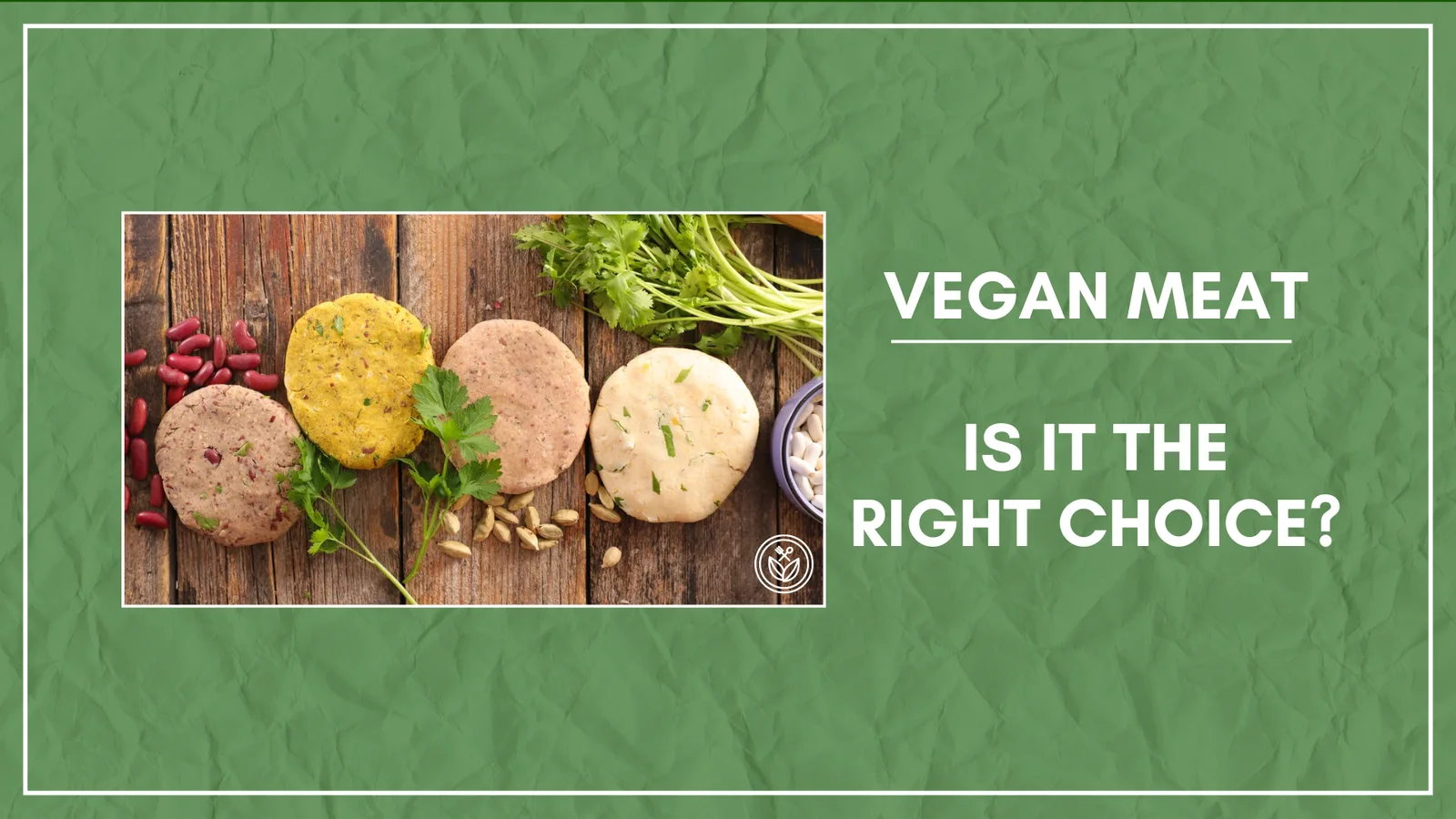
Plant-based meat refers to a meat substitute designed to mimic the taste and texture of real meat while being entirely derived from plant sources. Common plant-based proteins used include pea, hemp, soy, or wheat protein, with additional ingredients like beetroot for color enhancement. Brands like Beyond Meat and Impossible Foods have gained popularity for their realistic meat alternatives.
Making of Vegan Meats
Plant-based meats are crafted using a variety of ingredients to mimic the taste, texture, and nutritional profile of real meat. Common components include protein sources like soy protein isolate, pea protein, and wheat gluten, fats such as coconut oil and sunflower oil, binding agents like starches, natural flavor enhancers, fortification with vitamins and minerals, texturizers such as cellulose or fibers, and colorants like beetroot extract. Manufacturers combine these ingredients thoughtfully to create plant-based meats that offer a sustainable and ethical alternative to traditional animal products.
Environmental Impact
Evaluating the environmental impact of plant-based meat is crucial to consider both the benefits and drawbacks. While plant-based meat offers reduced greenhouse gas emissions compared to traditional meat production and lower land and water usage, certain plant-based meats undergo extensive processing that can have detrimental environmental effects due to energy-intensive processes. Additionally, the demand for ingredients in plant-based meats can contribute to deforestation and habitat destruction.
Impact on Animal Wellbeing
Examining the impact of plant-based meat on animals reveals both positive and negative aspects. While plant-based meat can reduce animal suffering by decreasing the demand for traditional animal products and protect wildlife habitats with lower water usage compared to animal agriculture, challenges such as resource-intensive production processes and ingredient sourcing issues impacting wildlife habitats need attention. Therefore, while vegan meat helps alleviate the cruelty animals go through, it introduces other challenges in this ecosystem.
Health Risks Associated with Vegan Meat
Contrary to popular belief about health benefits, consuming vegan meats may pose significant risks. The highly processed nature of some plant-based meats introduces risks associated with unhealthy fats, artificial additives, preservatives which may increase the risk of obesity, metabolic disorders, and inflammation in the body.
Few of these side affects are derived from ingredients used in its processing.
• High Sodium Intake Risks: Processed plant-based meats often contain high levels of sodium contributing to hypertension.
• Nutritional Variability Impact: Deficiencies in essential nutrients in plant-based meats can lead to fatigue, weakness, impaired immune function.
• Harmful Effects of Processed Ingredients: Unhealthy fats in some plant-based meats can have detrimental effects on overall health.
• Additives in Processed Meat: Artificial additives in plant-based meat substitutes may trigger allergic reactions or disrupt gut health.
While plant-based meat offers a promising alternative to traditional animal products with its environmental and ethical benefits, consumers should be cautious about the potential drawbacks associated with highly processed ingredients, nutritional variability, sodium intake risks, and the presence of additives that may impact overall wellbeing. Making informed choices and opting for minimally processed plant-based options can help mitigate these concerns and ensure a balanced approach to incorporating vegan meat products into a healthy diet.