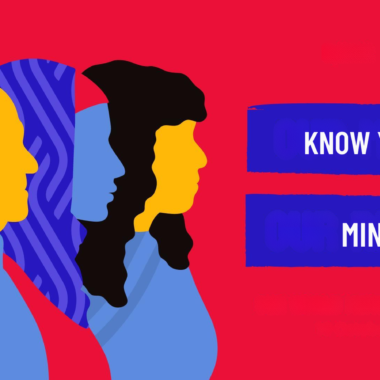

Talking about men’s mental health in India is often uncomfortable and considered taboo. For years, discussing mental health issues has been stigmatised, especially for men. However, there has been a gradual shift in recent years. People are starting to recognise the importance of mental health for men and the need to address it openly. Let us understand why talking about men’s mental health is essential and how things are slowly changing in India.
The Taboo Around Men’s Mental Health
In India, there is a deep-rooted cultural belief that men should be strong, stoic, and unemotional. Showing vulnerability is often seen as a sign of weakness, and many men feel pressured to hide their feelings. This societal expectation makes it difficult for men to talk about their mental health problems openly. They fear judgement, ridicule, or being perceived as less masculine.
This taboo has serious consequences. Men are less likely to seek help for mental health issues, which can lead to worsening symptoms and even severe outcomes like suicide. According to a report by the National Crime Records Bureau, the suicide rate among men in India is significantly higher than that of women. The stigma surrounding mental health prevents many men from getting the help they need, which can have a devastating impact on their lives and the lives of their loved ones.
Changing Attitudes and Growing Awareness
Despite the prevailing stigma, there is a slow but noticeable change in attitudes towards men’s mental health in India. Awareness campaigns, media coverage, and the efforts of mental health organisations are starting to break down the barriers. For instance, initiatives like Mpower Minds and others are actively working to promote mental health awareness and encourage men to seek help.
Social media has also played a major role in changing perceptions. Platforms like Twitter, Facebook, and Instagram provide spaces where people can share their experiences and stories. Influencers and celebrities opening up about their mental health struggles have helped normalise the conversation around this important issue. For example, Bollywood actor Deepika Padukone’s openness about her battle with depression has inspired many others to speak out.
Importance of Men’s Mental Health
Addressing men’s mental health is vital for their overall wellbeing. Mental health issues can affect all aspects of life, including physical health, relationships, and productivity. Men who struggle with untreated mental health problems may experience a range of issues such as anxiety, depression, substance abuse, and stress-related illnesses.
When men take care of their mental health, they can lead more fulfilling and balanced lives. Good mental health allows men to cope better with life’s challenges, build stronger relationships, and achieve their personal and professional goals. It also reduces the risk of physical health problems that are linked to stress and poor mental health.
Breaking the Silence: Steps to Improve Men’s Mental Health
To improve men’s mental health in India, it is essential to break the silence and address the stigma. Here are some steps that can help:
1. Education and Awareness
Increasing awareness about mental health and its importance is the first step. Educational programs in schools, workplaces, and communities can help people understand that mental health is just as important as physical health. These programs should emphasise that seeking help is a sign of strength, not weakness.
2. Encouraging Open Conversations
Creating safe spaces for men to talk about their mental health is vital. This can be done through support groups, counselling services, and online forums where men can share their experiences without fear of judgement.
3. Involving Influencers and Role Models
Public figures and influencers can play a significant role in changing perceptions. When celebrities and respected individuals speak openly about their mental health struggles, it sends a powerful message that it is okay to seek help.
4. Accessible Mental Health Services
Improving access to mental health services is crucial. This includes increasing the availability of affordable counselling and therapy services, especially in rural areas where resources are limited.
5. Promoting Work-Life Balance
Employers can support men’s mental health by promoting a healthy work-life balance. Flexible working hours, mental health days, and providing access to counselling services can help employees manage stress and maintain good mental health.
The conversation about men’s mental health in India is slowly changing, but there is still a long way to go. Breaking the stigma and encouraging open discussions are crucial steps toward improving the wellbeing of men. By raising awareness, providing support, and making mental health services more accessible, we can help men lead healthier, happier lives. It is time to recognise that mental health is not a sign of weakness but a vital part of overall wellbeing. Let’s continue to talk about men’s mental health and support those who need help.